MSA 2026 Foray
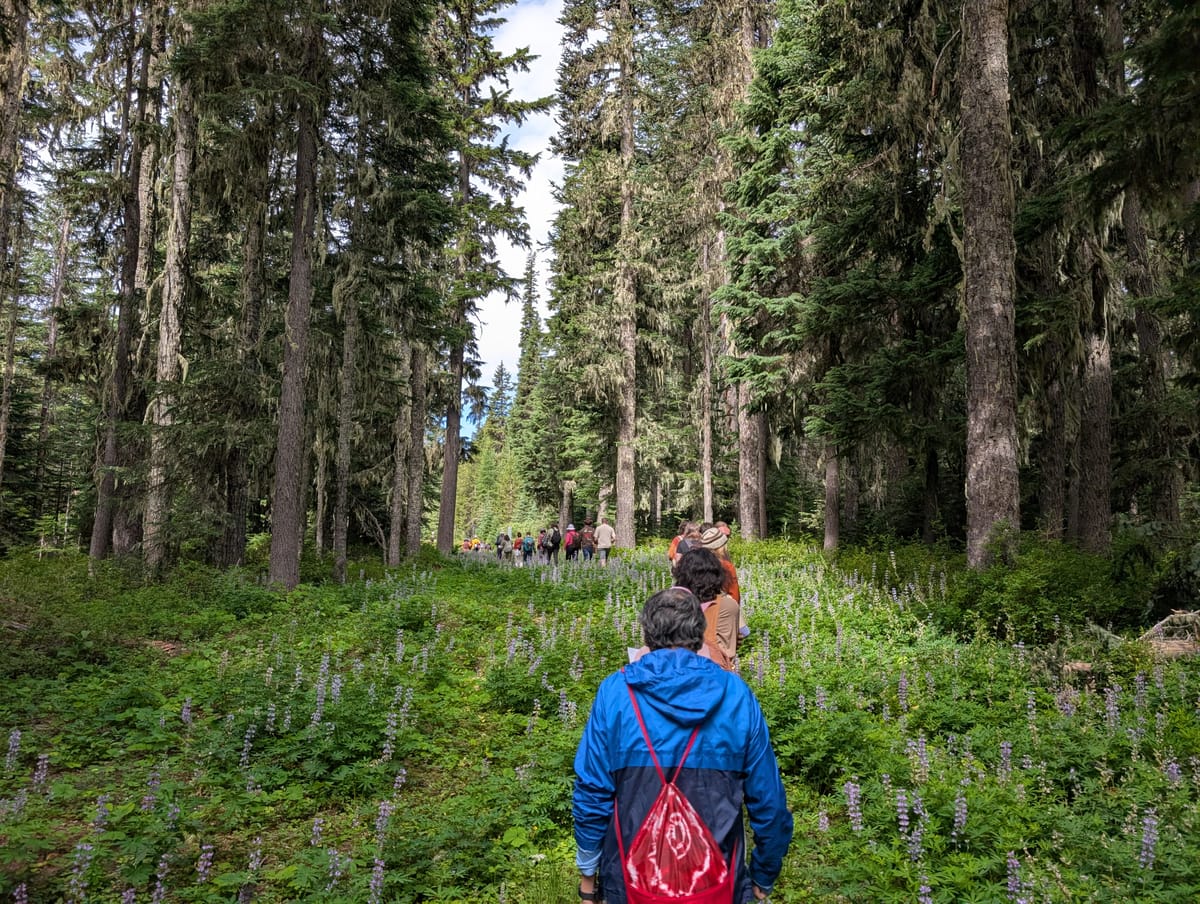
Sup fungi family! Mushrooms grow slowly, and to be honest, so does this blog. This post is a throwback to the foray at the Teacup Nordic area near Mount Hood during the Mycological Society of America (MSA) conference in Portland, Oregon on 12 July 2026. Here is the conference program, abstracts, an addendum, and a photo album from attendees.
I don't have a background in mycology, but since the conference was close by, I decided to check it out. Little did I know how significant a walk in the woods collecting mushrooms for science would be. More on this at the end of the post.
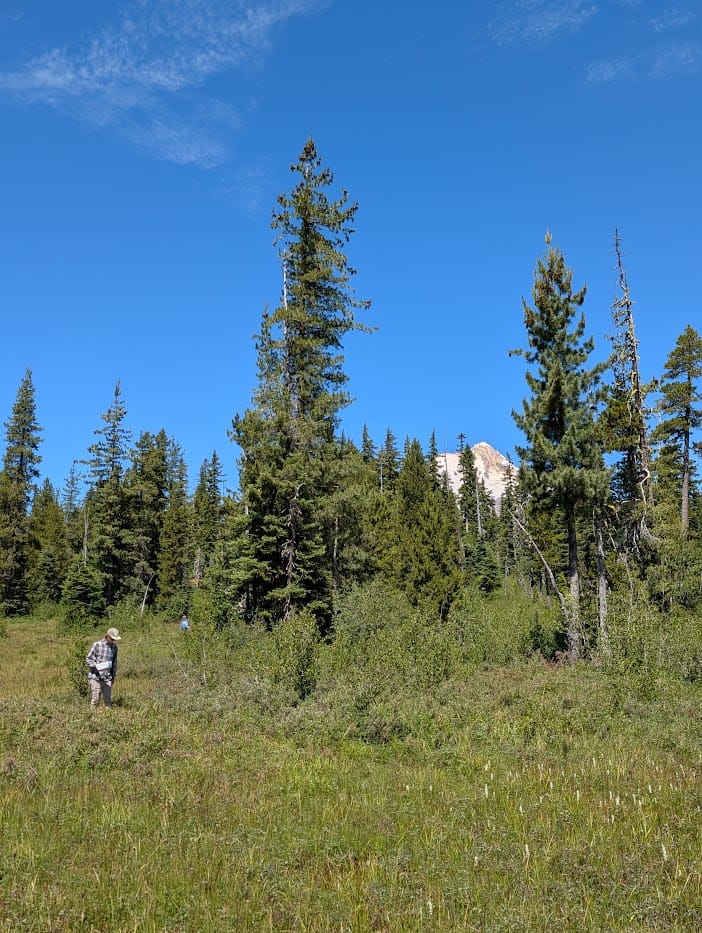
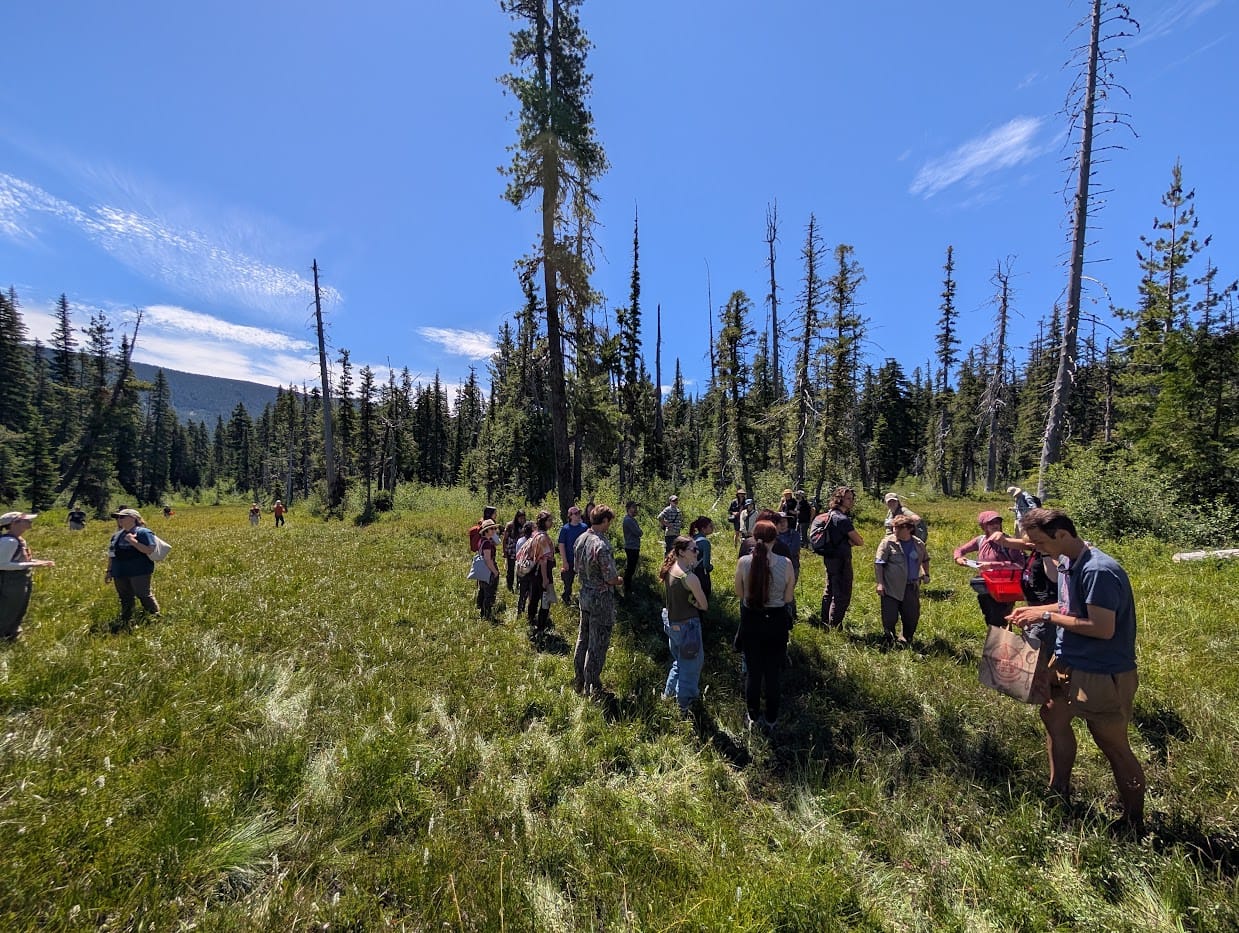
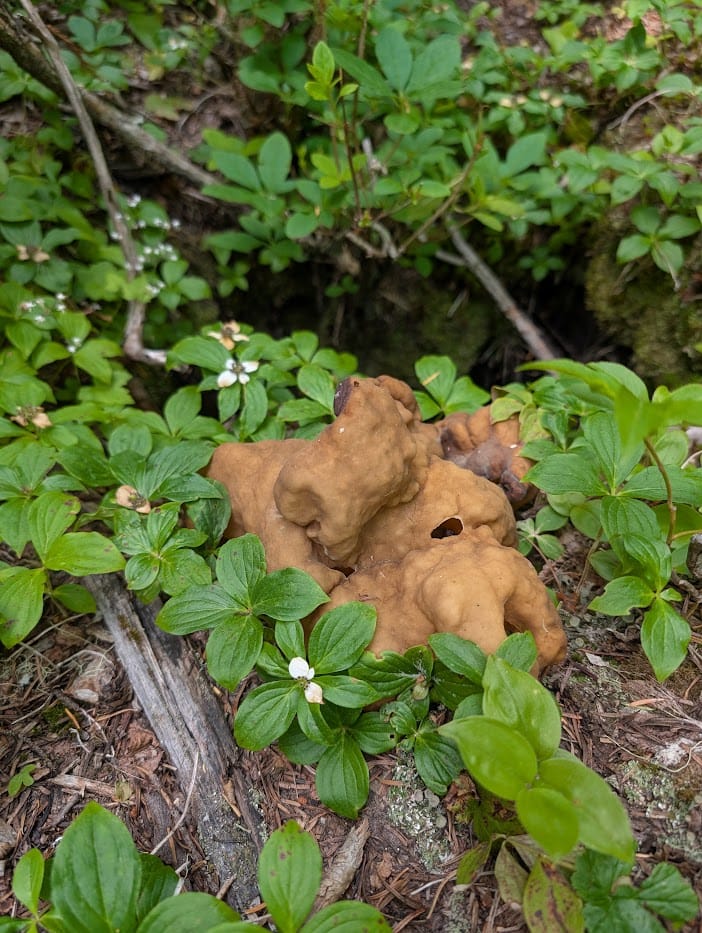
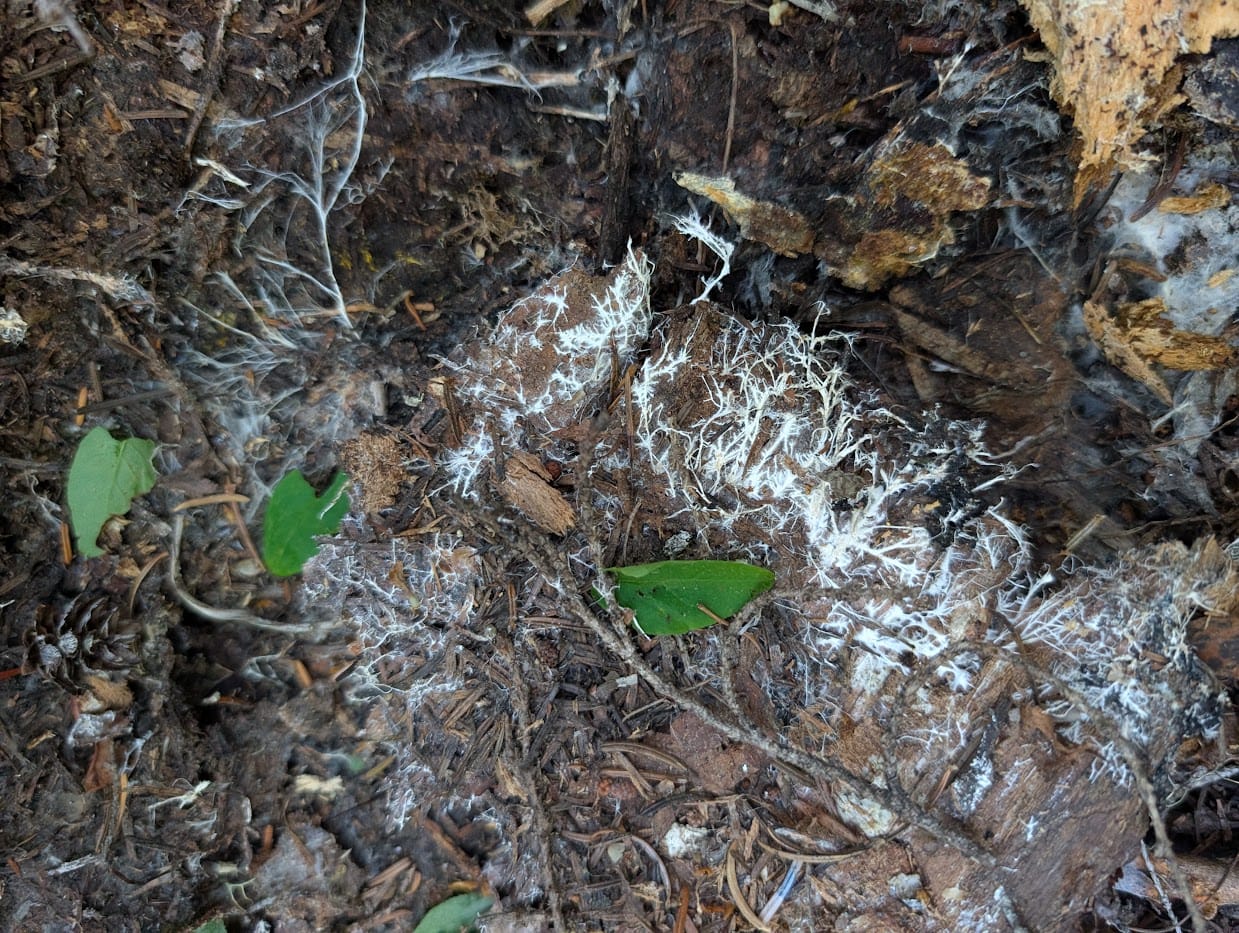
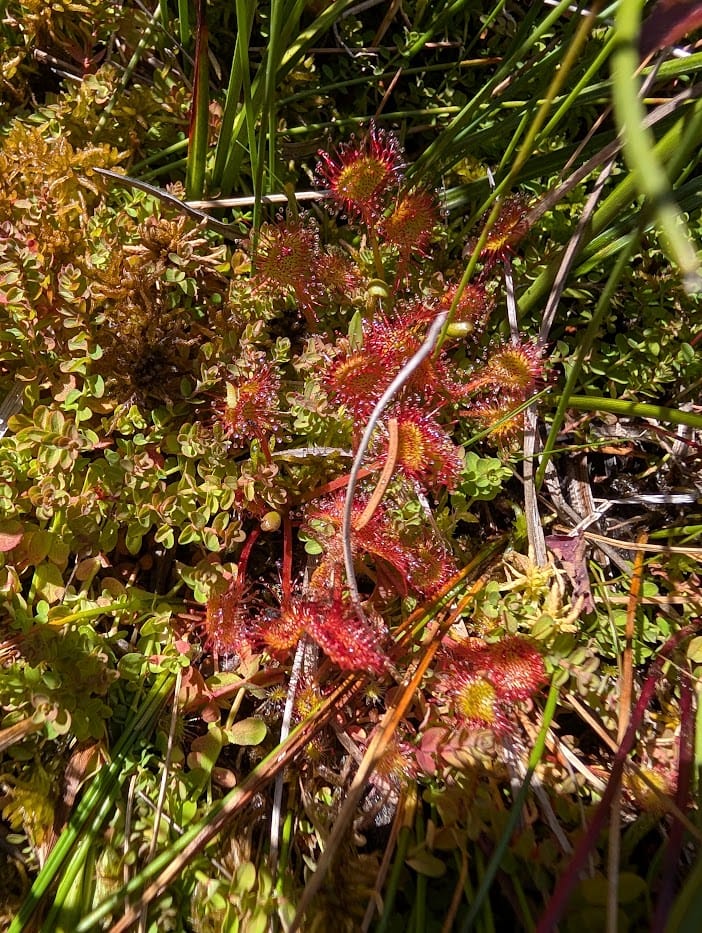
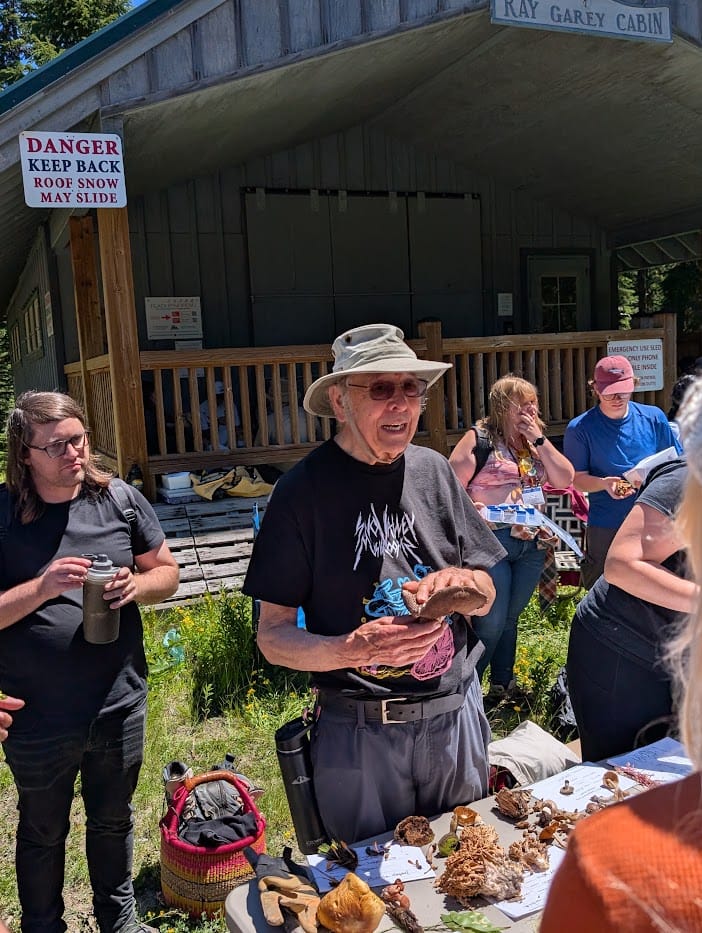
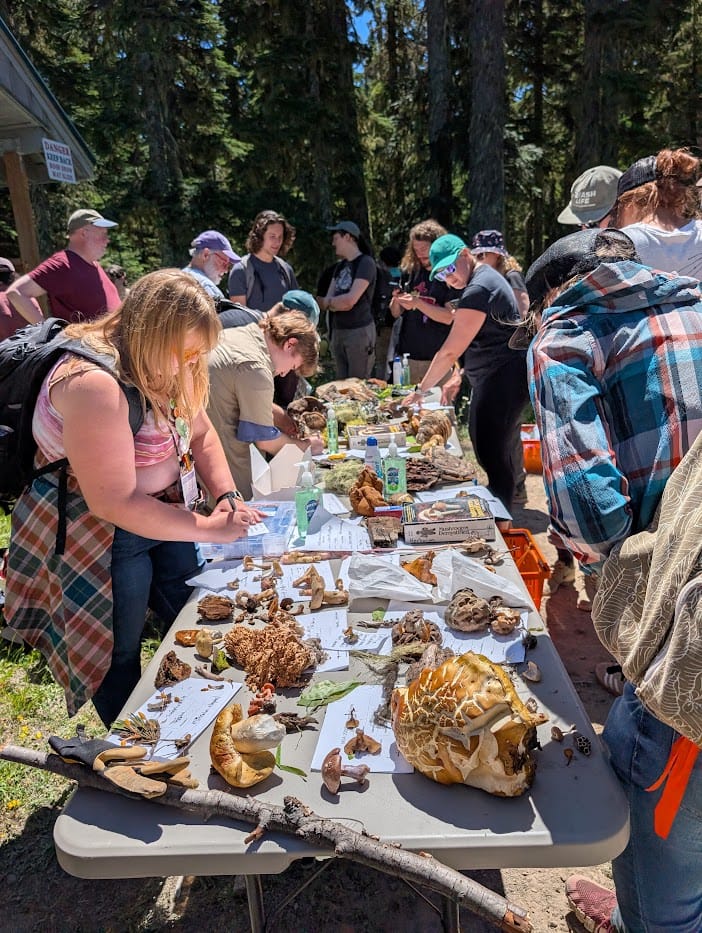
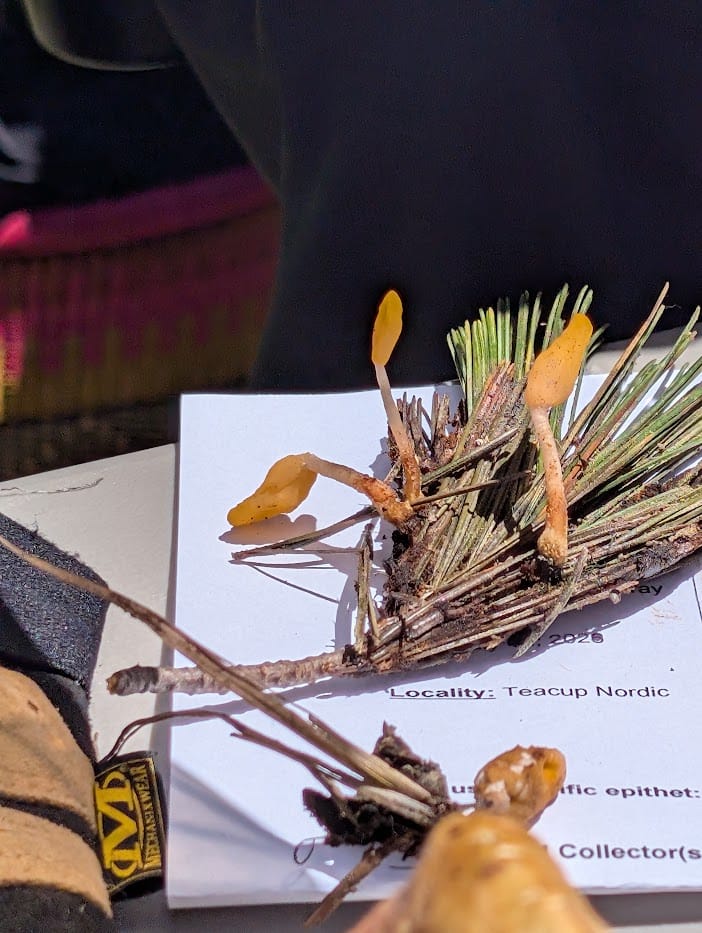
Sometimes, you have to "stop and smell the mushrooms" because some of the ones that grow below ground ("hypogeous" fungi) have strong odors.
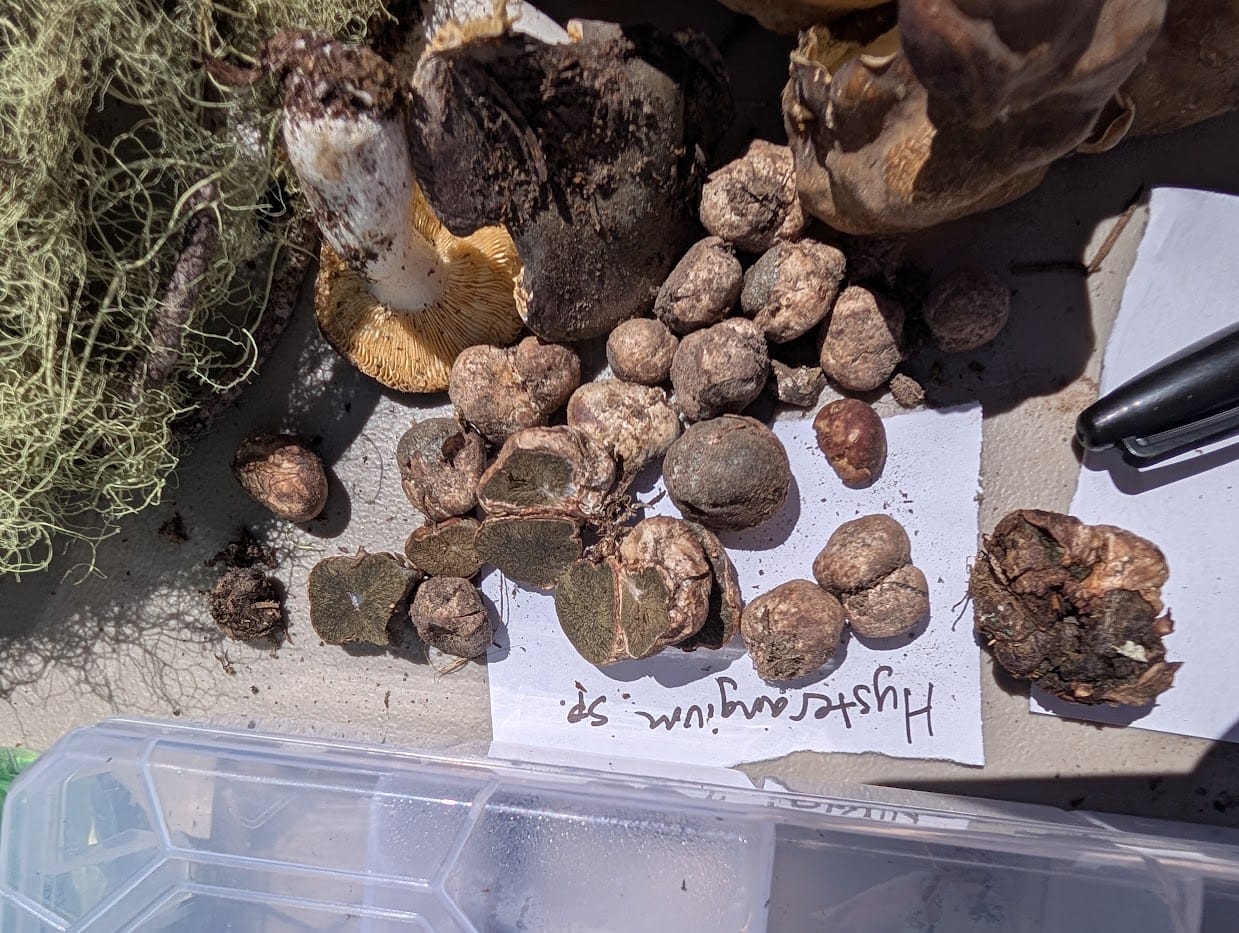
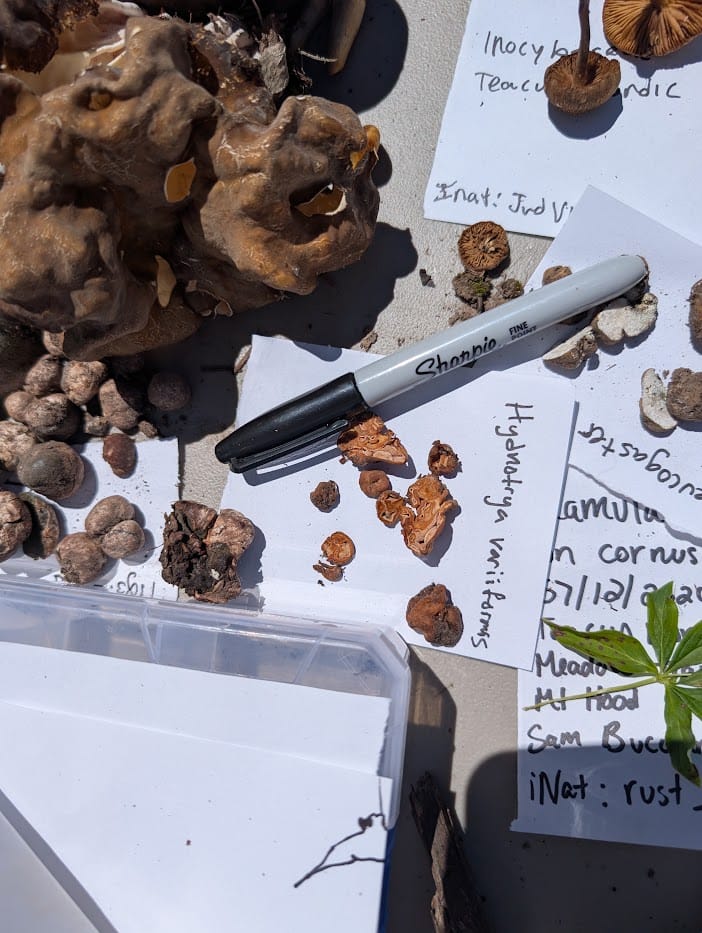
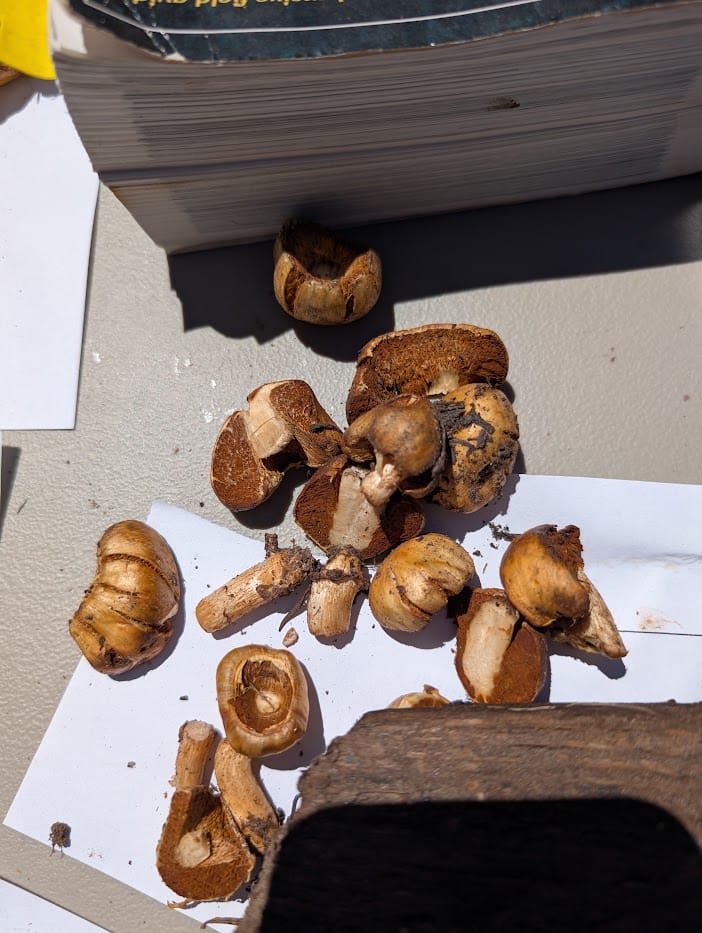
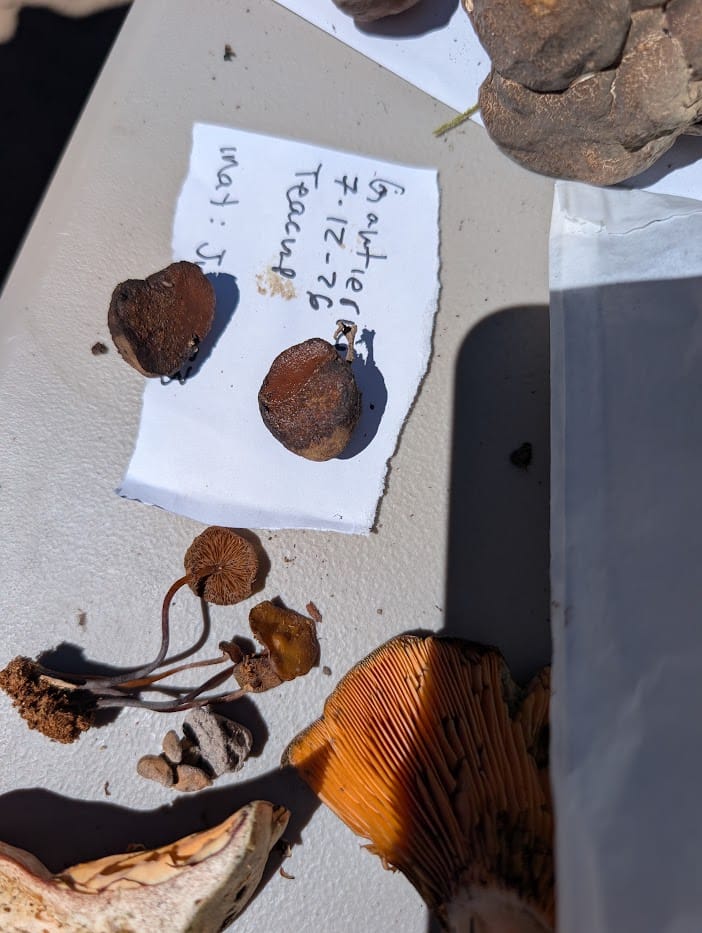
Shout-out to Dr. Nora Dunkirk for providing a small piece of tissue from this Laricifomes officinalis, commonly called agarikon, so I could attempt to clone it. She also gave a great presentation titled "Grassroots Conservation: Integrating Volunteer Data into Rare Fungal and Plant Surveys in Oregon. Nora is a mycologist and botanist with the Institute for Natural Resources at Portland State University.
Nora's presentation was about her work at the Oregon Biodiversity Information Center (ORBIC) and leading volunteers at the Oregon Rare Species Spotters (ORSS) to survey and document rare species in Oregon. ORSS is a volunteer organization that collects vital data on rare plants and fungi to support conservation activities. Check out their website here for more information and upcoming activities. They will host a fungi bioblitz at Powell Butte on Friday 25 September from 10 am to 3 pm (more details here).
She's a mycologist and botanist at Portland State University's Institute for Natural Resources, where she works with Oregon Rare Species Spotters (ORSS) training volunteers to survey and document rare species. Volunteer observations feed into the Oregon Biodiversity Information Center (ORBIC), Oregon's rare species database.
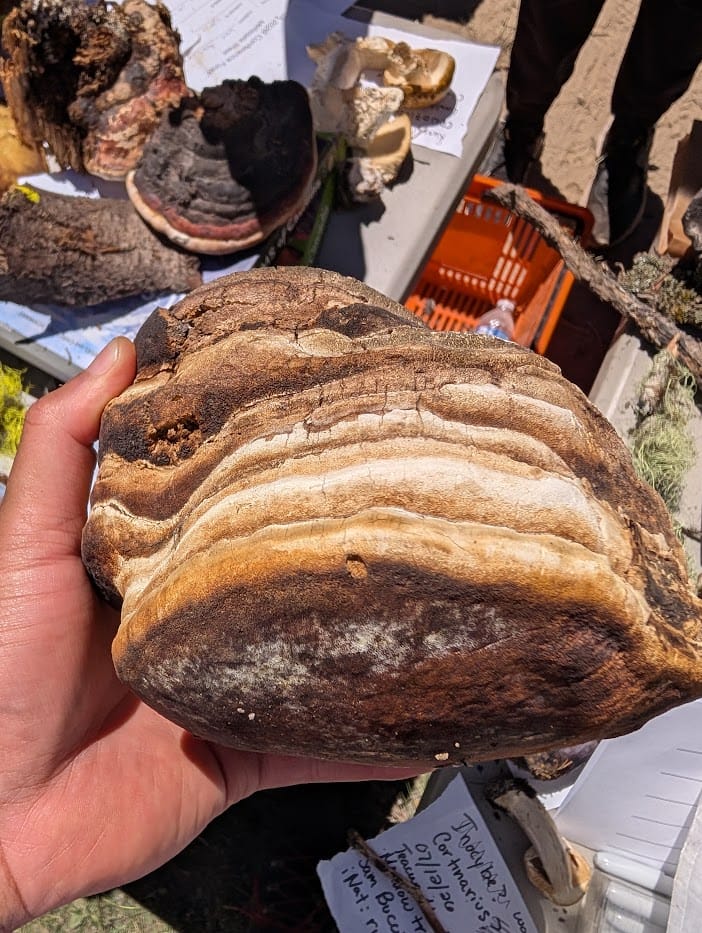
I was told this specimen would be vouchered at the Oregon State University fungal herbarium, which is curated by Dr. Jessie Uehling (more info on the fungal herbarium here).
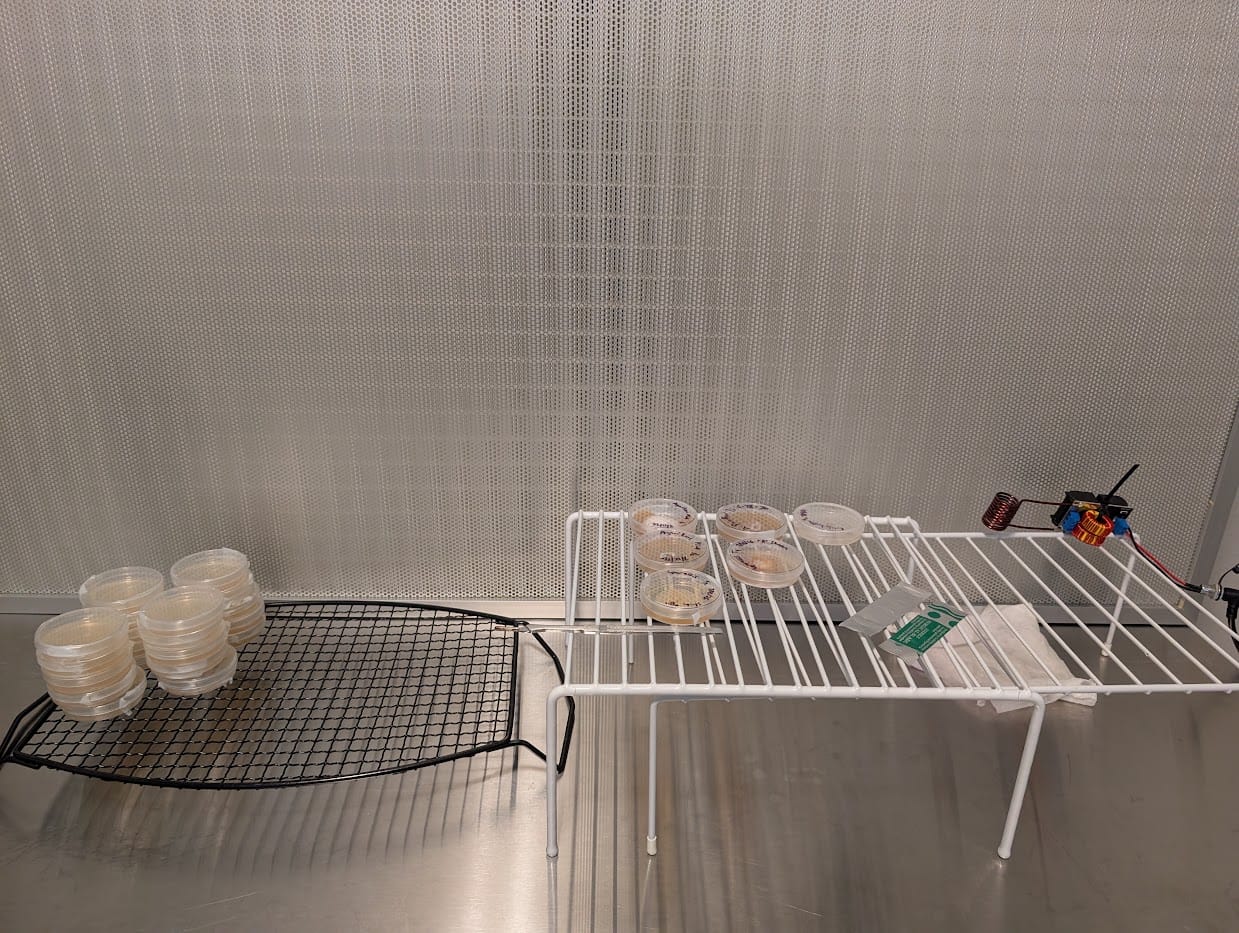
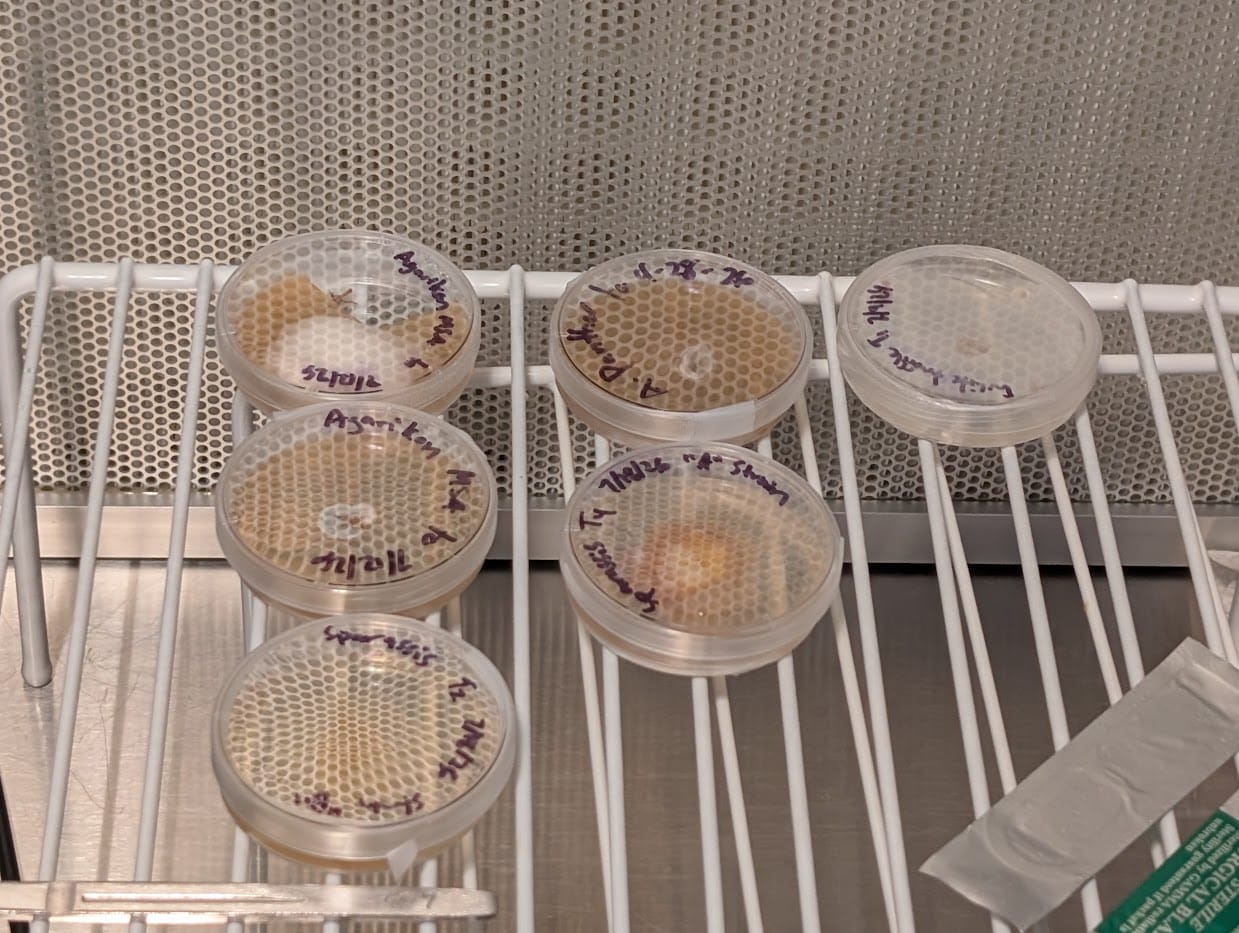
I drove home right after the foray to clone the agarikon on agar, and then I returned to the conference. The cabin sequestration technique made a big difference. The paper below describes the cabin-sequestration protocol.
Shi X-X, Qiu H-P, Wang J-y, Zhang Z, Wang Y-L, Sun G-C (2019) A handy method to remove bacterial contamination from fungal cultures. PLoS ONE 14(11): e0224635. https://doi.org/10.1371/journal.pone.0224635
The following YouTube video also provides a detailed overview of cabin sequestration - Paul Grzybowski: Advanced Culturing Technique: Cabin Sequestering.
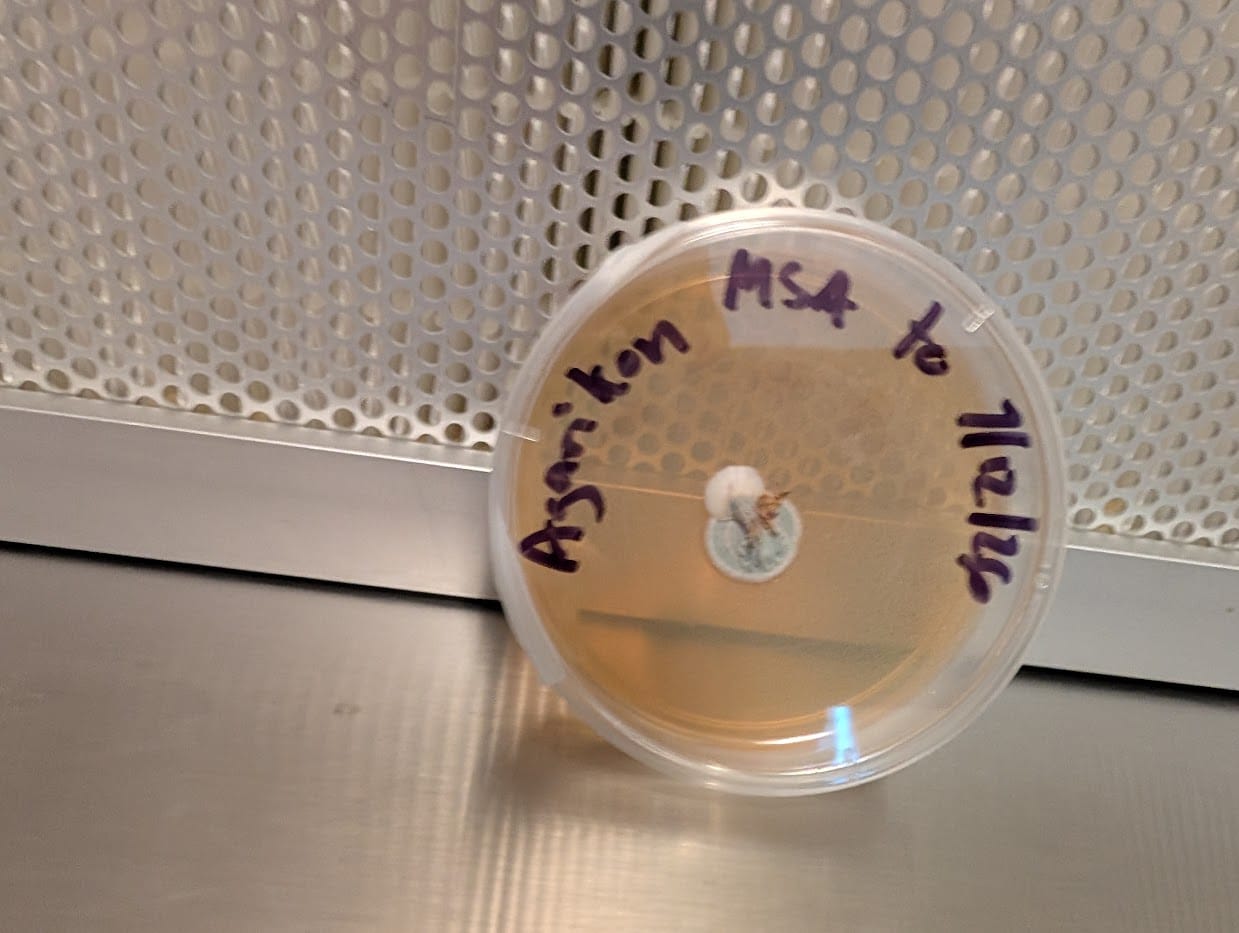
I separated the tissue sample into several pieces, and most of the plates I prepared using the cabin sequestration technique produced clean cultures. I also tried to trench a small piece in the corner, but it didn't do well; I suspect it dried out.
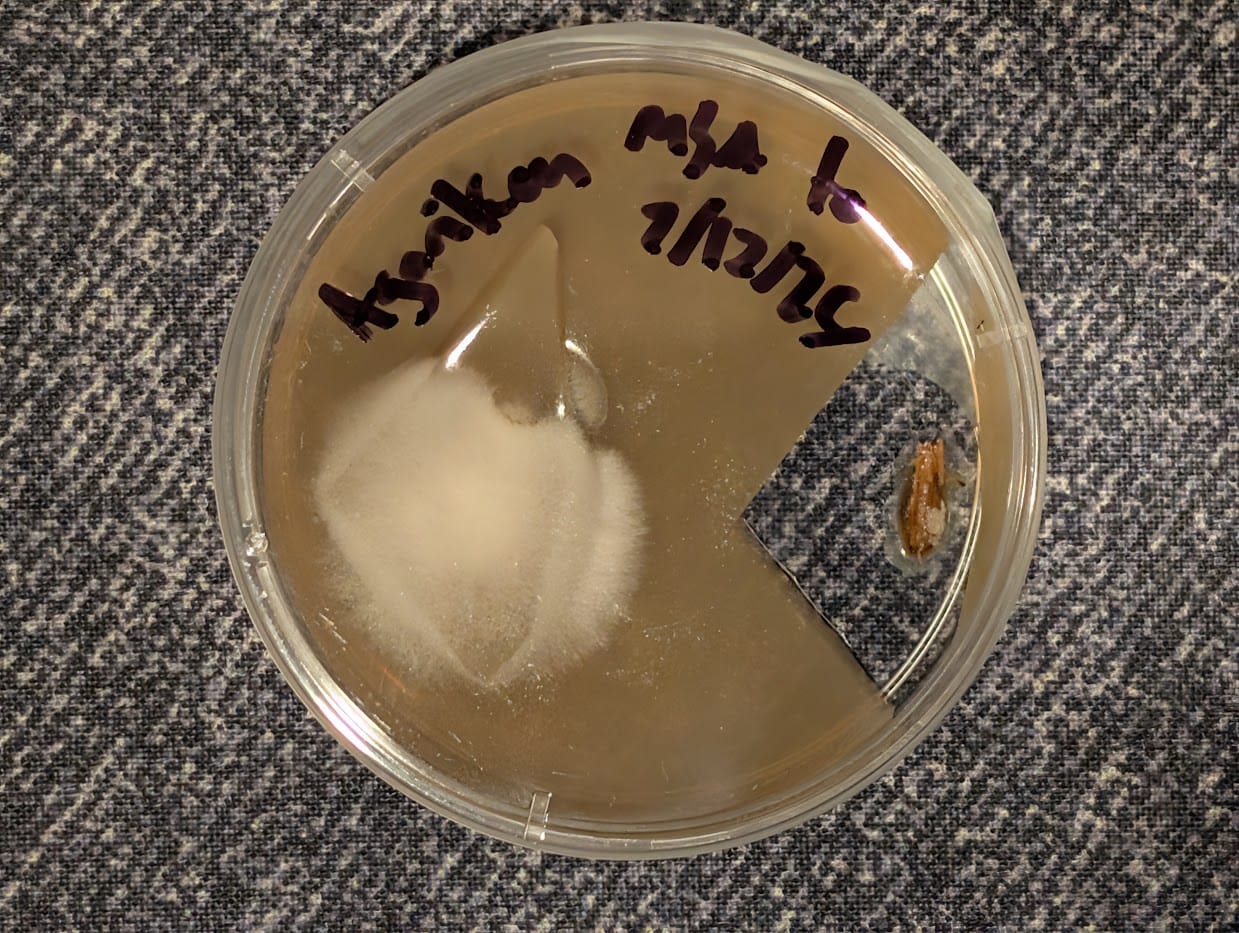
I also tried to do a standard tissue clone, but it became contaminated. Based on these comparisons, I highly recommend the cabin sequestration technique when a wild specimen is difficult to clone cleanly.
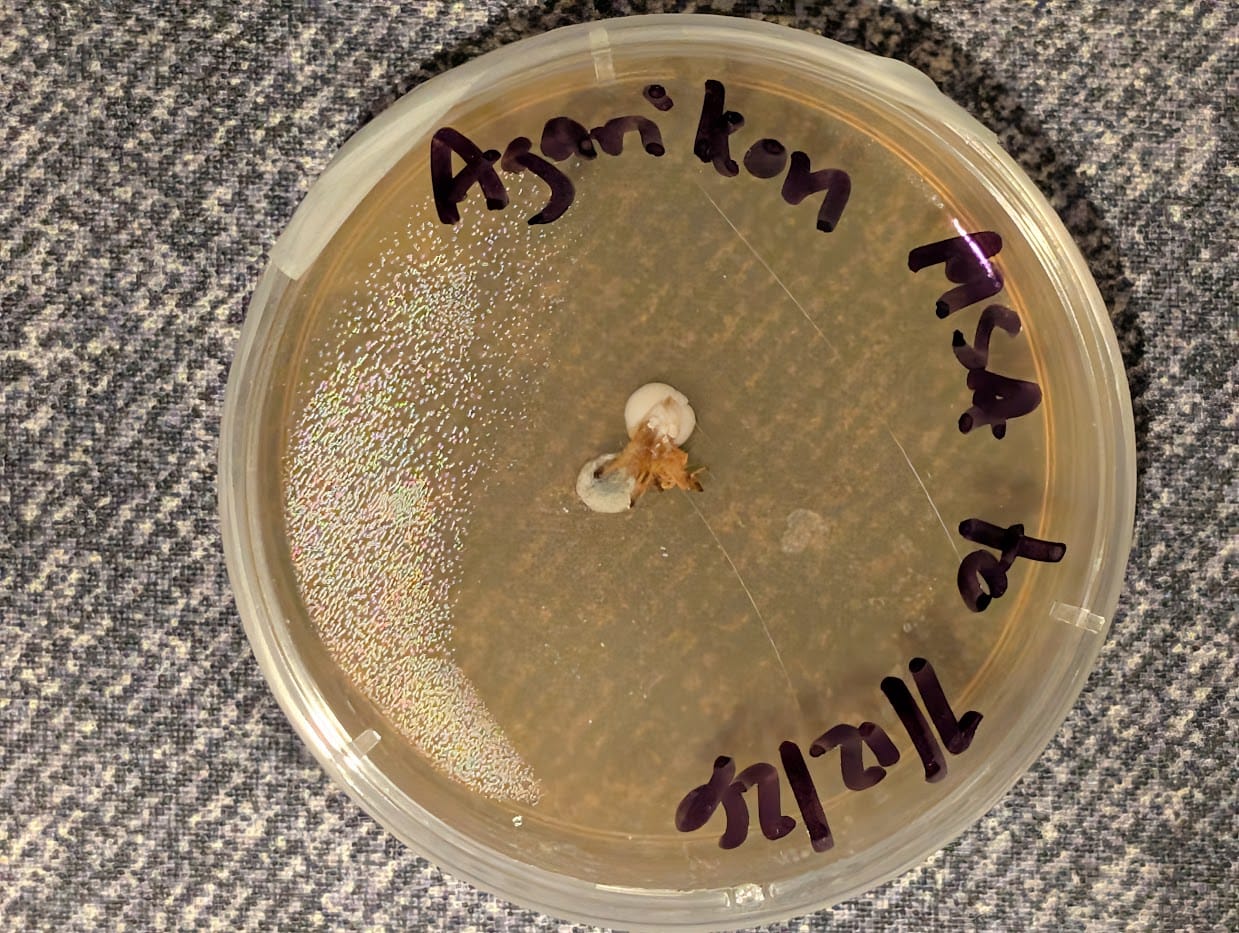
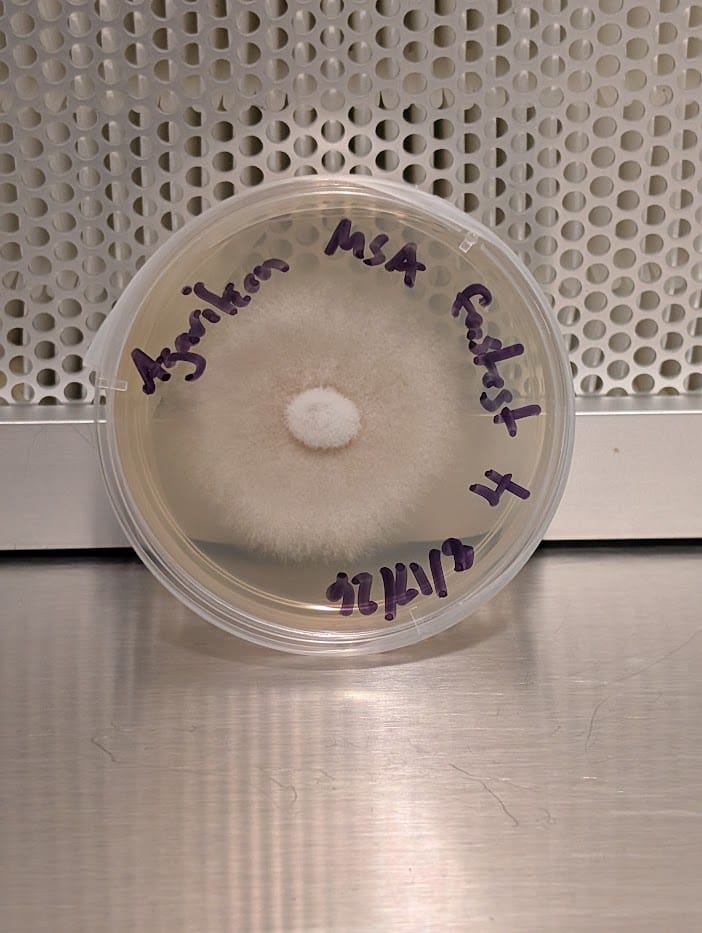
The agar plate shown below was prepared without using the cabin sequestration method. The mycelium near bottom is starting to exhibit signs of contamination. It may have been possible to transfer the uncontaminated mycelium onto a new agar plate, but this would have required additional time and materials. The clone shown above did not have any visible signs of contamination even without transferring it to a new plate.
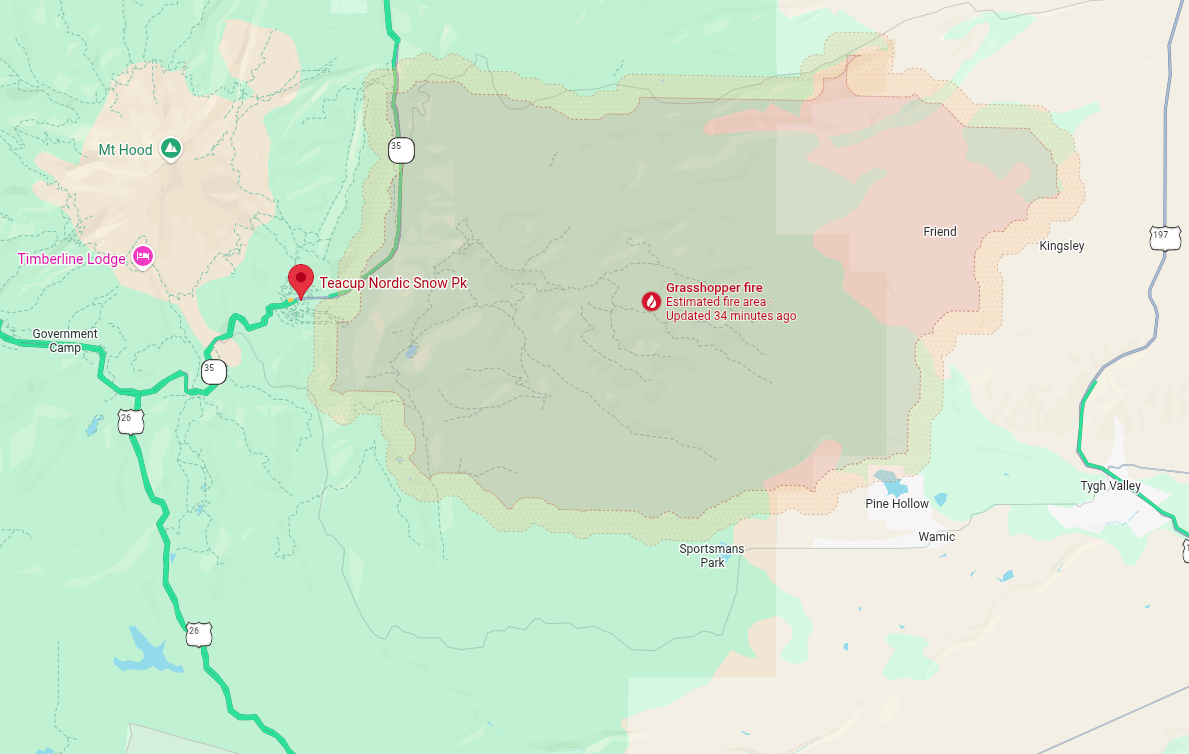
This experience made me realize the importance of fungal conservation firsthand. Eleven days after the foray, the Grasshopper Fire was reported nearby. It later spread close to the Teacup Nordic area, the same area we walked during the foray, as shown in the Google Maps screenshot below.
Laricifomes officinalis is listed as an Endangered species on the International Union for Conservation of Nature (IUCN) Red List of Threatened Species. Researchers have studied agarikon’s bioactive compounds and potential pharmacological applications; however, its efficacy and safety still require more research. I am fortunate to have the opportunity to try to cultivate this mushroom, and I will keep you updated on my progress!
-AP